


Senate Gardens
Robert Marius Cazanciuc
Președintele Senatului, ad interim
Bucureștiul anilor ceaușiști a fost caracterizat de schimbări majore în arhitectura și locuirea urbană, dictate de factori politici care au determinat modificarea întregului complex socio-economic al orașului. Cartiere întregi au fost demolate, comunități de oameni strămutate și puține obiective de patrimoniu imobil au fost păstrate prin translatare.
Proiectul Grădinile Senatului – Memorial Uranus reprezintă un omagiu, adus de Senatul României unei întregi comunități urbane care continuă să aparțină Bucureștiului.
Ne-am dorit ca povestea vechilor străzi, case și biserici să fie recreată sub forma Grădinilor, care oferă o reprezentare vizuală a trăsăturilor locative de altădată, prin legătura cu trecutul.
Vă adresez invitația să redescoperim frumusețea caselor și bisericilor dărâmate, integrate acum sub forma enfiladelor de grădini, ca simbol viu al vechiului cartier Uranus ce a lăsat loc Palatului Parlamentului.
Historical and urban landmarks
01
The vineyard hill called “Doctor Spirea” (or Spiria) signifies both Bacchic and Christian traditions, this swing between Dionysian and Apollonian being the very meaning of our existence. The “tabula rasa” practiced by the “specialists” of the communist regime during the dictator Ceaușescu, destroyed both the natural relief and hundreds of years of history. Churches, cemeteries, cells, kitchens, parish houses, schools and thousands of buildings.
The remains of the Curtii Arse and the Arsenal, the former military prison, factories, shops, thousands of other buildings, as well as almost all vegetation, were destroyed with the speed of smoke!
But, apart from razing the buildings, the communist regime managed to achieve the feat of raping and withering the souls of thousands of Bucharest residents of the area. The marking of the main historical landmarks – the Cross of Metropolitan Neofit, the churches of Spirea Veche, St. Nicholas Alba in Postăvari (located in front of the entrance to the Public Ministry), the Nuns’ Hermitage (with the Patriarchate Workshops) – translated, the Curtea Arsă with its undergrounds, memorial houses (Logofătul Nestor, Aristide Demetriade, Catul Bogdan, Statie Ciortan, etc., also signify the marking of the lives of so many people.

Location
They are delimited as follows:
- South of the Calea 13 Septembrie artery;
- North of the building of the Palace of the Romanian Parliament;
- West of the access alley to the Chamber of Deputies and the National Museum of Contemporary Art of Romania;
- East of the access alley from Calea 13 Septembrie corner with Bd. Libertății.
Cultural-Historical Heritage
- The Calicilor (Caliței) Bridge with the Mouth of the Valley;
- The Cross and the Well of Metropolitan Neophyte of Hungary-Wallachia;
- the remains of the New Princely Court, known as the "Burnt Court";
- part of the Army Arsenal;
- the Old Spirea church;
- The Nuns' Hermitage with the Workshops of the Romanian Patriarchate;
- part of the former streets: Uranus, Militari, Miracolelor, Fenix, Bagdad Entrance, Cazărmii, Cazărmii Entrance, Vitănești Entrance, Seneca Street, Banul Mihalcea, Schitu Maicilor, Maior Constantin Moroiu.
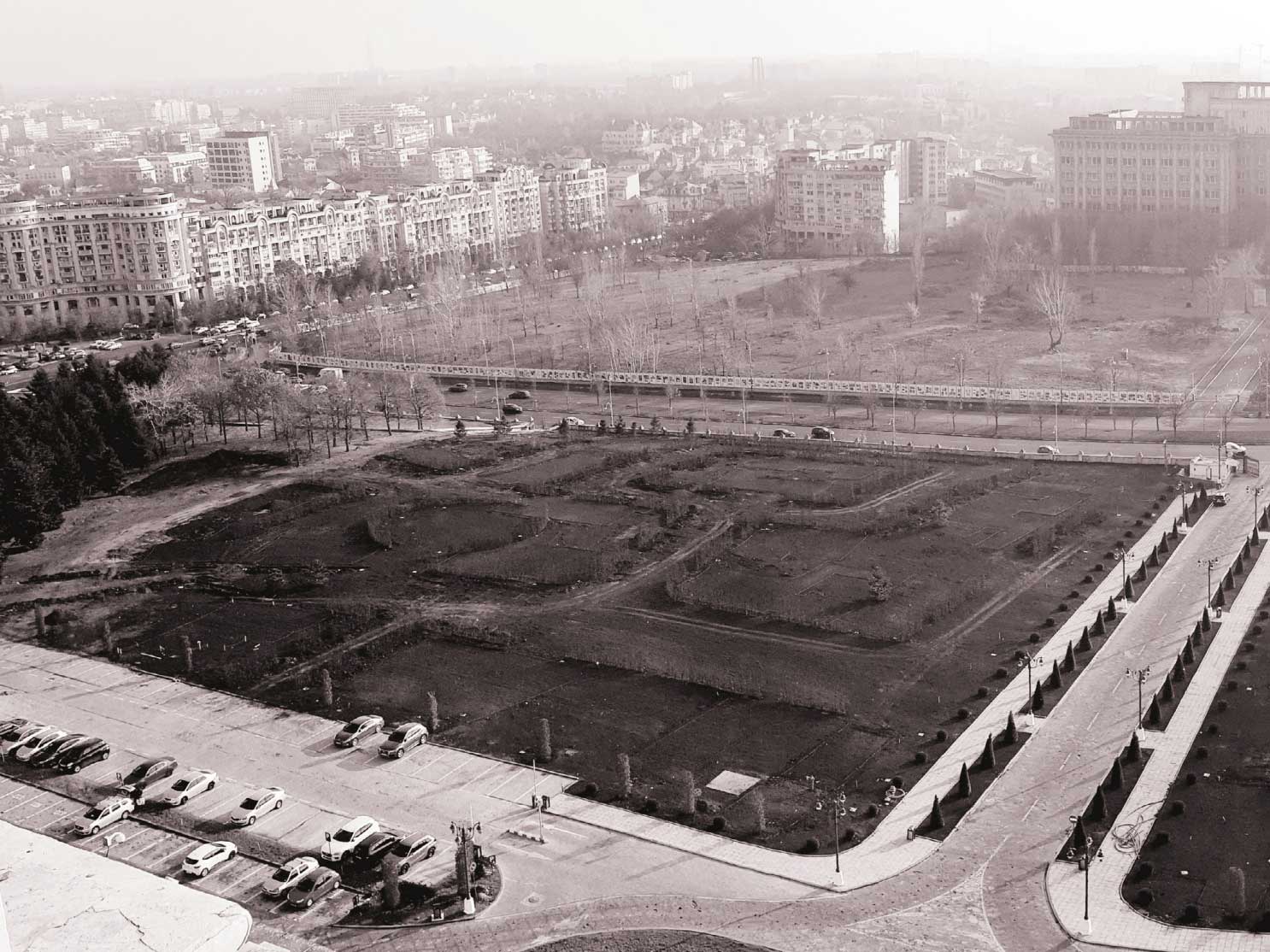
From this area we note the housing estates: "Societatea Communală Locuințe Eftine" from Vitănești Int. (arch. D. Mohor, c. 1913-15) and the Nuns' Hermitage (Palas-Mitr. Antim).
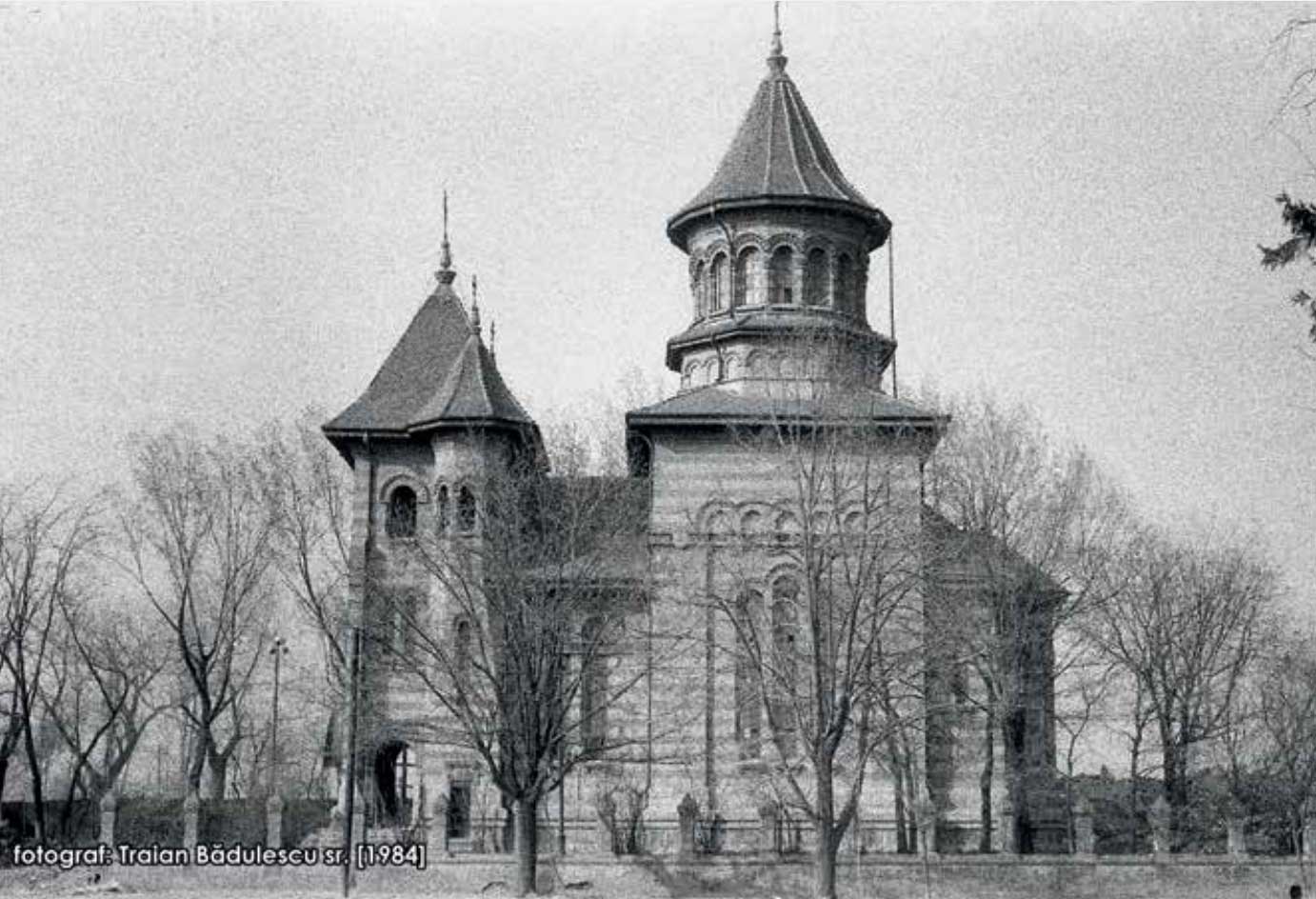
Church Old Spirea
The church at 27 Uranus Street, located at the intersection of “Niță Stere”, was demolished with difficulty on April 27, 1984. The church was dedicated to St. Spiridon the Old and was built starting in 1921-1922, according to the plans of the architect loan D. Trajanescu, in place of a 17th century church.
Its razing to the ground was done through several attempts at dynamiting, as it could not be demolished with excavators… Only a few stained glass windows, the altarpieces and the patron icon of St. Spiridon could be saved, they were taken to the Lucaci Church in the Capital.
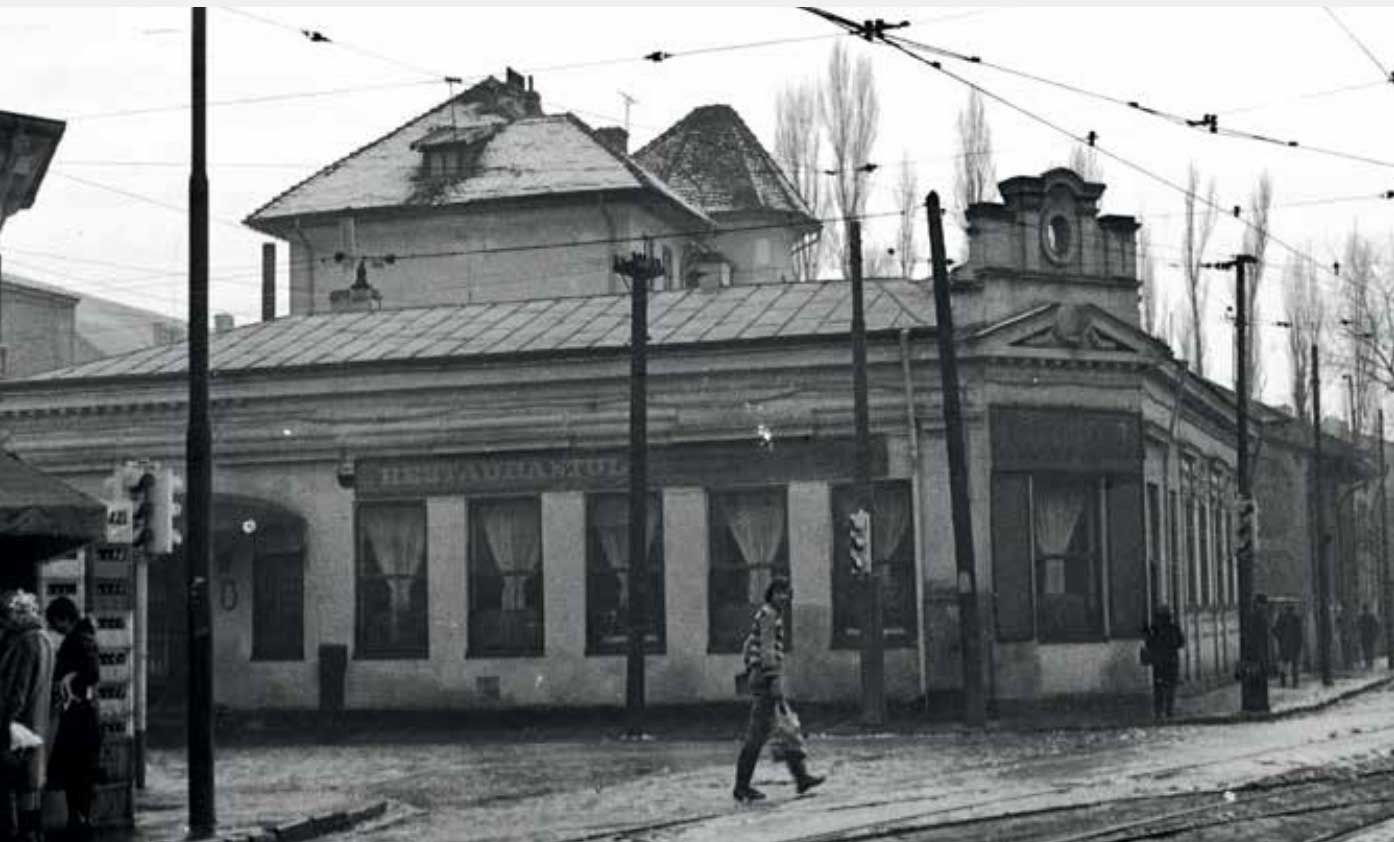
House Niță Stere, La Motanul Negru
One of the most famous intersections in the neighborhood was this, the meeting point of Uranus streets (in front, the one with the tram line), Cazărmii (on the left), Calea 13 Septembrie (on the right, with tram lines branching off from Uranus).
In the building in the center was the “Motanul Negru” restaurant, also known to the residents as “Niță Stere pub”, after the name of the former owner. Many memories connect the former residents with this restaurant: numerous parties were organized here, being in the vicinity of the Spirea Veche church, where weddings and baptism services were held.
Uranus street led in front to Vama Antrepozite, the site of the flower market at the intersection with Rahovei.
Cazărmii Street
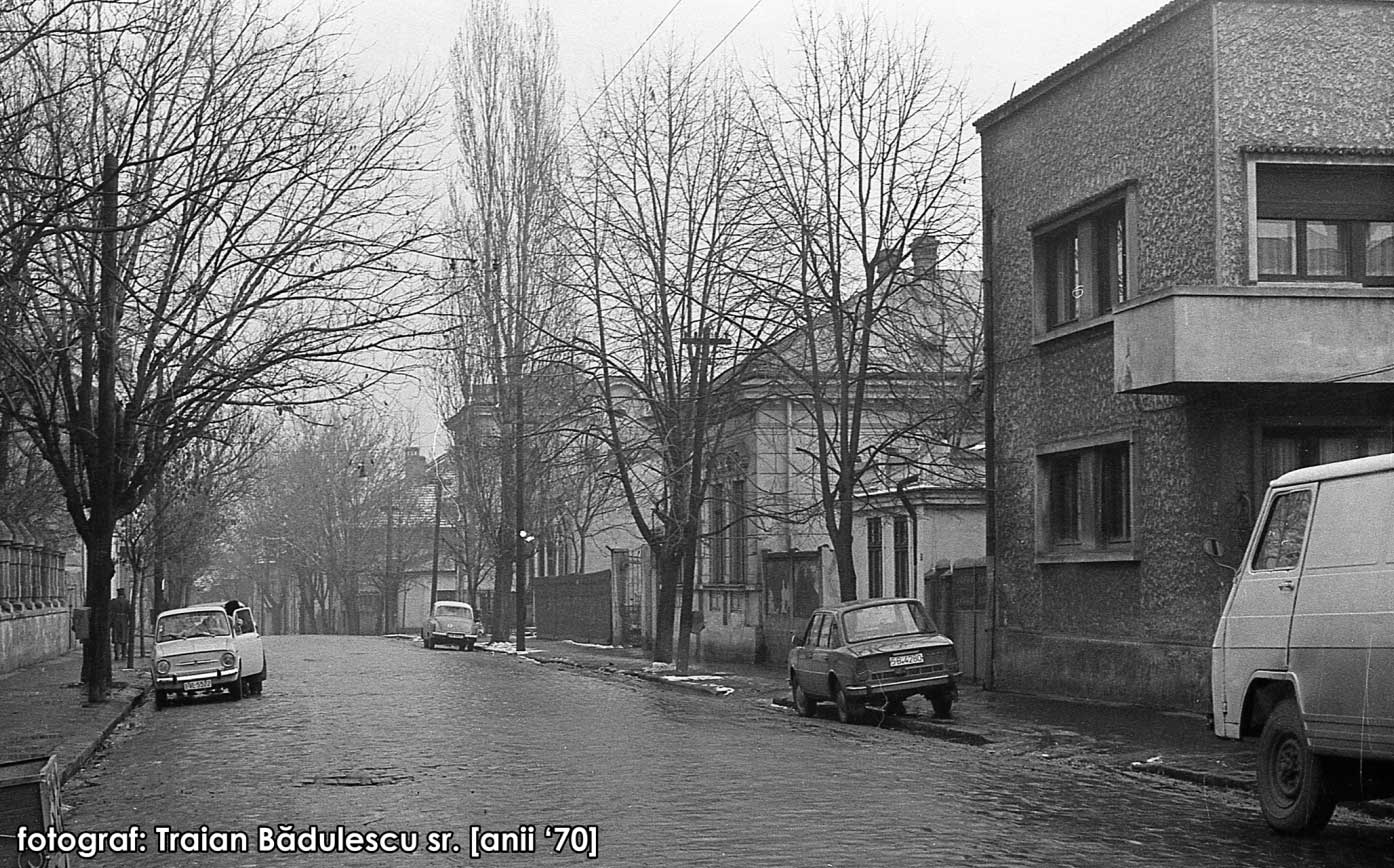
Strada Cazărmii was one of the most defining roads in the neighborhood: it ran from east to west through the area, from low, flat terrain to hilly, irregular terrain; its route was sometimes straight, simple, sometimes winding.
Also, along the street you could encounter the history of the architecture of this neighborhood: from archaic houses from the 18th – 19th centuries, to modernist buildings from the 20th century. An important role in creating this architectural mix was also played by the real estate development of the interwar period, when the fabric of the traditional city experienced an increase in the density of the building. In the image above, you can see an example of a neoclassical building, located on the street, part of the city of the old kingdom. Below, we find a more modern construction, but which still has traditional lines of the facade, being made in the neo-Romanian style. The latter building was built in the same courtyard as the first, at the back. The need to increase the living space was felt in the 1920s.
Vitănești Street
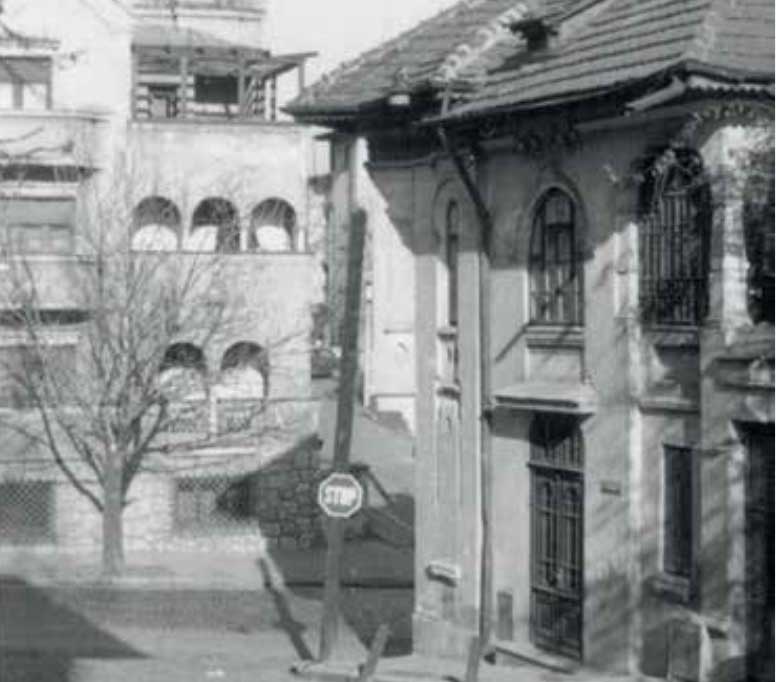
Access to Vităneşti Street was from Cazărmii, on an uphill slope. Relatively opposite it, there was the Bagdad entrance.
Vităneşti Street was a special street from many points of view: due to its urban configuration, it had a rectangular shape, with a connection on one of its sides to Cazărmii Street; due to the configuration of the relief, the street had part of its route on a slope, the subdivision it served being arranged on the plateau of a small hill, so that some of the houses there had a panoramic perspective from above over the neighborhood; the street was a favorite place for many film directors, many scenes being shot here.
The construction of the model buildings in this subdivision began in 1914, belonging to the Communal Society for Cheap Housing. The development project of the area is being carried out under the leadership of architect D. Mohor, who adapts the model houses to special situations of steep relief. Thus, these houses are more compact, complemented by a minimal backyard.
Schitul Maicilor
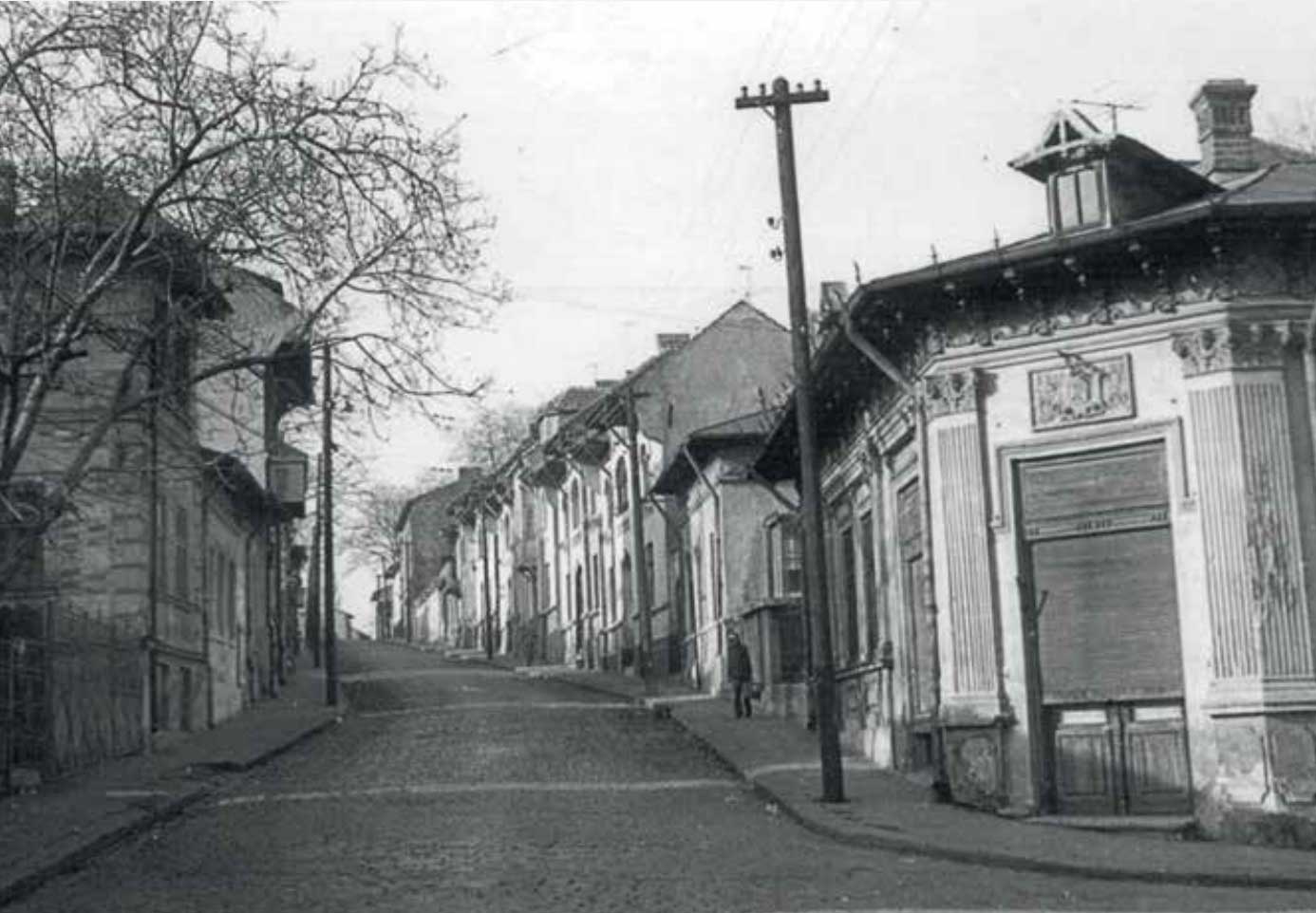
In the early eighties, with the start of the construction site at Casa Republicii, the director of the Bucharest Project Institute, engineer Eugeniu Lordăchescu, proposed saving the church of the Hermitage of the Nuns from extinction by relocating it.
The walls of the monastery enclosure were broken on the eastern side, in the direction in which the church was to be moved to its current location, behind the buildings in Piața Francofoniei, at the lower end of Căia 13 Septembrie.
Solution description & start of construction site
02
Description of the project
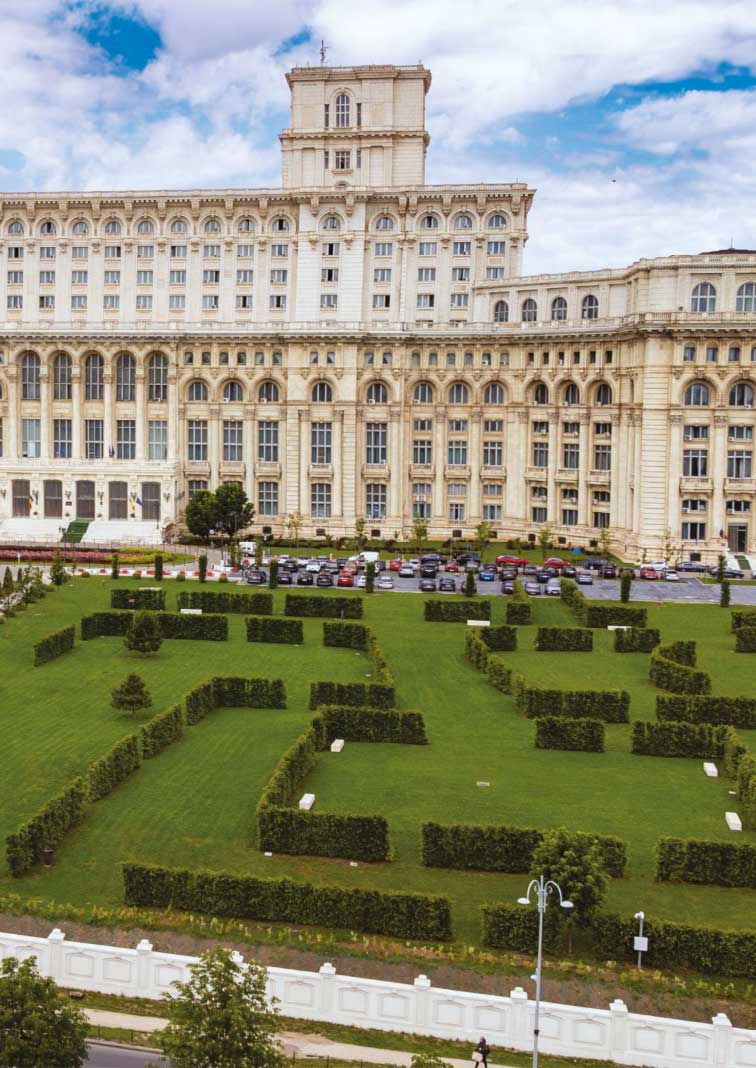
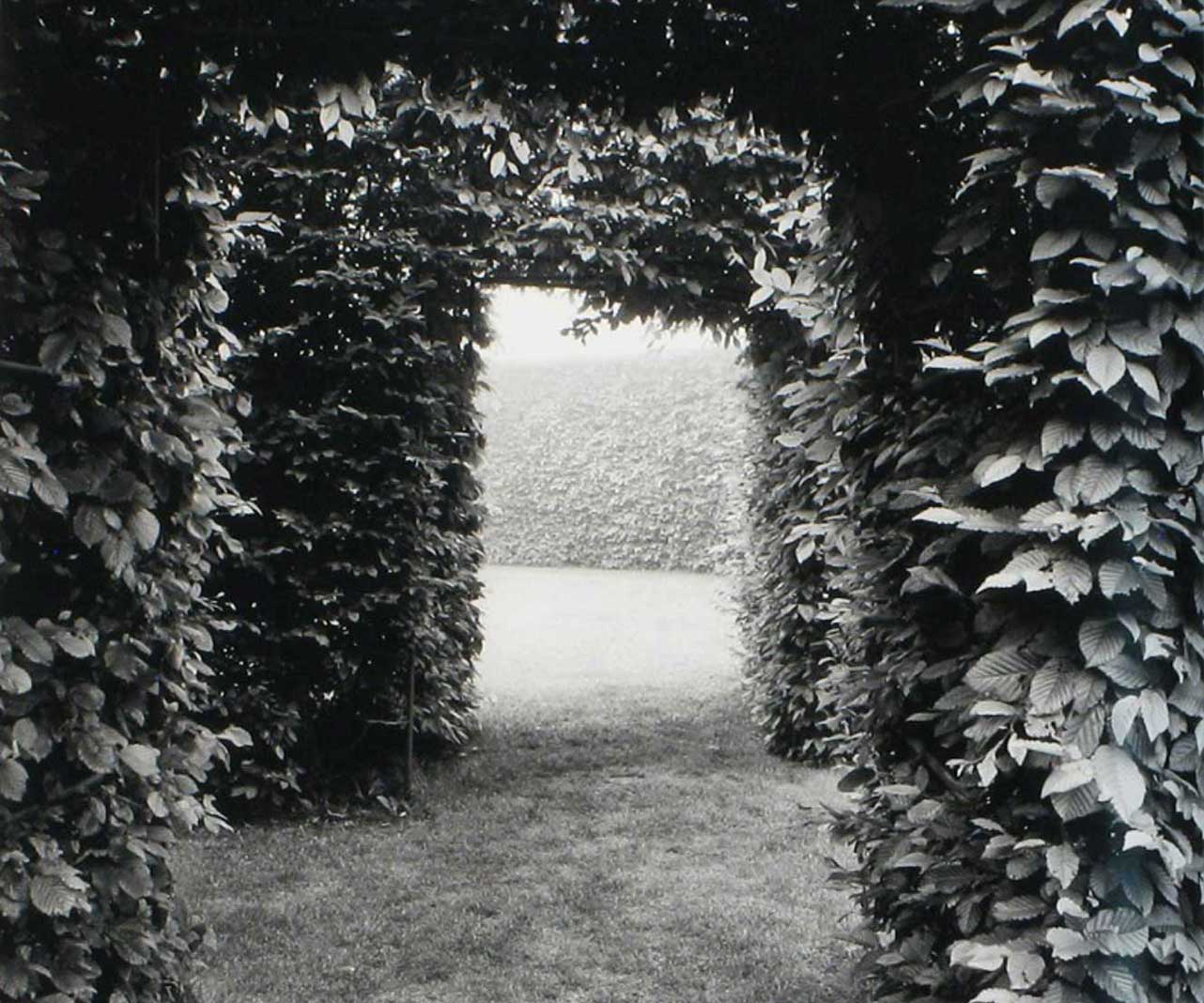
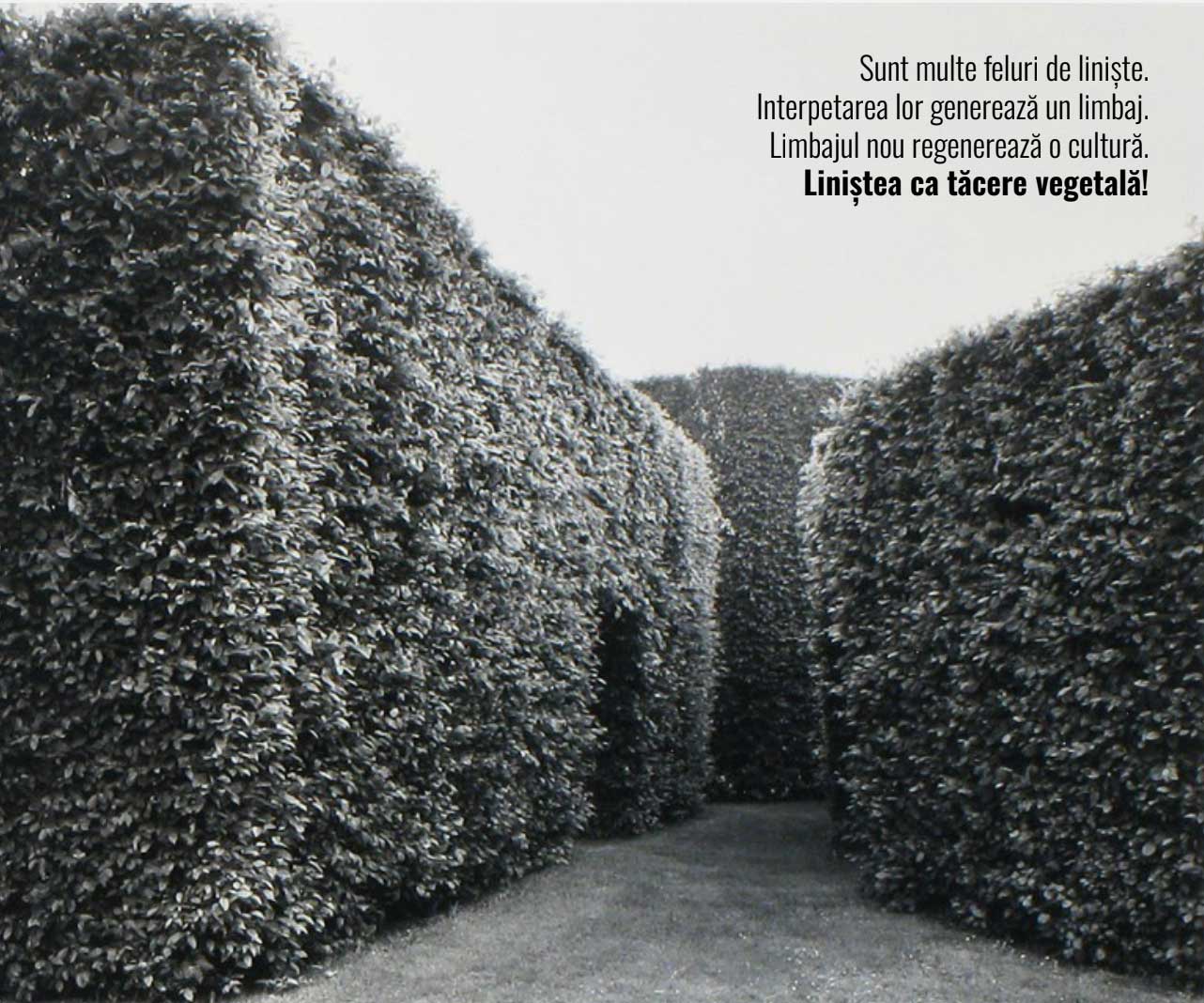
Located in a conflicted historical center, the SENATE GARDEN opens the circles in relation to the topography. Closed, silent historical surfaces now have apertures/openings, and long-covered secrets become debate and enter a public plane. The demolished houses are opposed by the Palace of Parliament – between the Palace and its fractured history there is now a row of gardens-intermediaries, more than opponents: a series of spaces of mediation between the individual and the group, between personal psychology and national history, between the former systematic oppression and the current freedom still completely unknown.

Perspective
The perspectives of the SENATE Gardens are very wide and, by analogy with the narrative perspective, can be called selectively-omniscient. The eye no longer perceives the vertical as higher – metaphorically speaking, authority is no longer tyrannical, domineering and cognitively impenetrable.
Each person who enters the garden finds his own interpretation, but there is a clear narrative thread, an intersection of planes and a personal refuge. There is also a wide territory for exploration, for searching. The geometry of the garden passes from Euclid to Escher – the folds of interior-exterior, up-down, here-there, mine-yours merge, however, into a discreet, calm, well-controlled mental current.
Lighting
NIGHT POINT
Robert Irwin, the author of the Getty Central Garden, has a retrospective entitled All Rules Will Change in which he exhibits works from the 50s, 60s, 70s. Then all the rules change in the Romanian space as well. The space itself changes. Irwin reconsiders all the materials and surfaces of expression.
The sculptor is part of the Light and Space movement: direct experience is not about the object/subject nor about the space in which it is installed. It is about the intrinsic quality of light. Light that restructures consciousness is one of the themes of the SENATE Garden.
The lighting system maintains the idea of a unique experience, of personal contact – of floating plant structures – light is a continuous performance. lit simultaneously or alternatively (in a pre-established rhythm – for a digestible perception, without anything stroboscopic), the lights give different contours, different impressions at each interval.
The furniture takes on the lines of the garden: it is geometric, in simple volumes, lit from bottom to top, floating.
DIURNAL
The garden has spaces of physical refuge: areas of sun and shade, adjusted so that they do not turn into a challenge – the garden is not an obstacle course.