
Brief history and the Uranus Quarter
The Senate of Romania, as a fundamental institution and basic component of the political organization system of Romanian society, came into being, asserted itself and consolidated itself as an inseparable element of parliamentarism in the national public space and in terms of international relations, in a historical process against the backdrop of the country's development and modernization in the last two centuries and its reinsertion into the European concert.
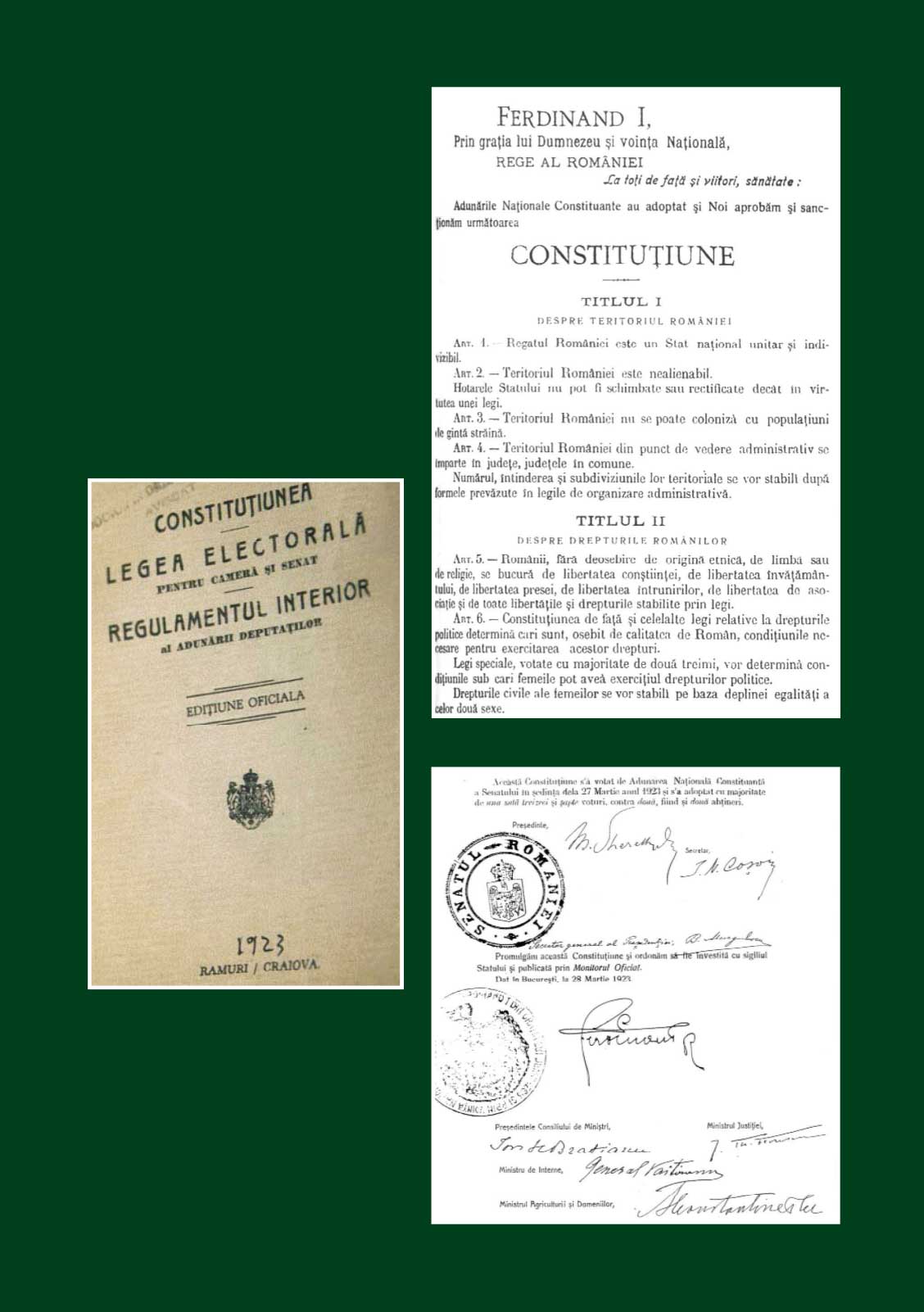
The introduction of the bicameral parliament, which functioned under conditions in which the monarchical principle was prevalent and overcame both the legislative and executive powers through the Sovereign’s prerogatives, led, despite some limitations in terms of representativeness (maintaining the census voting system), to positive accumulations over time, preparing the expansion of the model of representative democracy found in the 1923 Constitution. The completion of the Country Project and the creation of the unitary national state also constituted, for the country’s parliamentary system, the entry into a tumultuous stage of political, economic, social and cultural transformations.
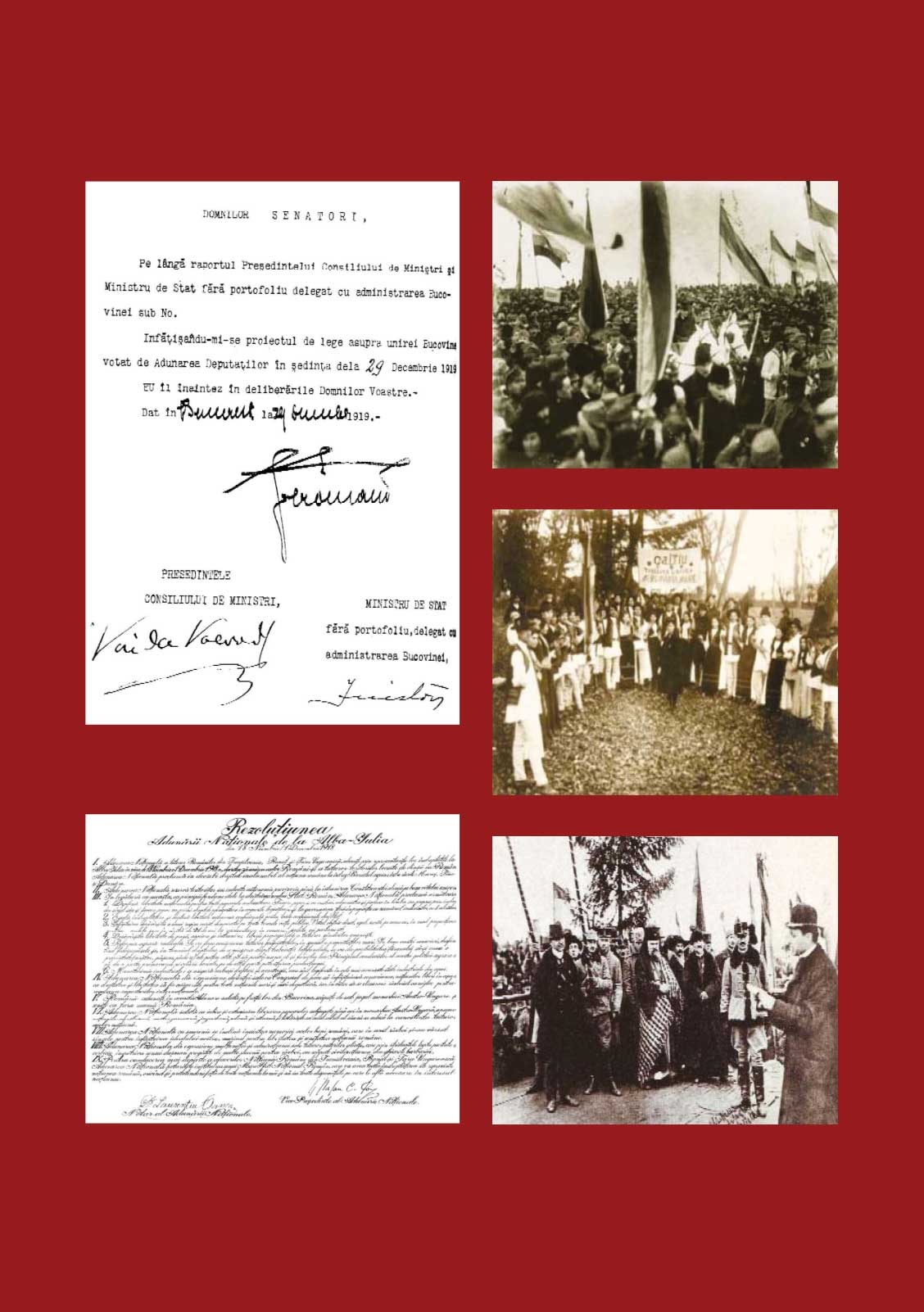
The completion of the extensive and profound debates with the major objective of reorganizing the functioning of the political and administrative structures of the reunited Romania, the elaboration of national policies, the functioning of the multi-party regime and the participation of citizens in the life of the city were ensured with the adoption of a new Constitution. The Senate of Romania had a decisive role in the constitutional and legislative consecration of the Act of the Great Union of December 1, 1918 and the return to the Motherland of the historical provinces: Bessarabia, Bukovina and Transylvania.
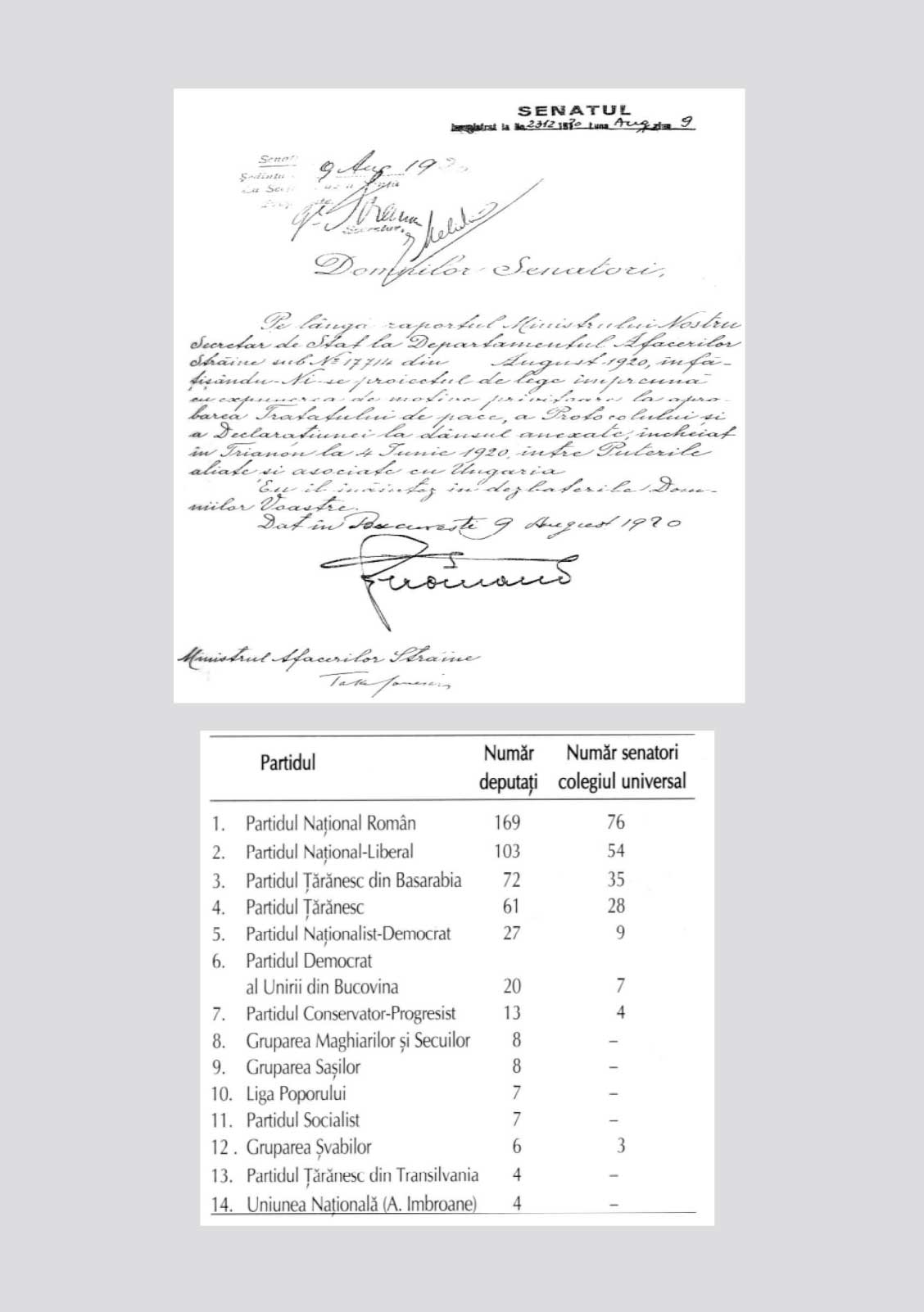
Also, the Upper Chamber proceeded during 1920 to ratify the Paris peace treaties, which obtained international recognition of the borders and territorial integrity of the Romanian state. The 1923 Constitution confirmed the changes made in 1917 and added new elements regarding: the replacement of the census system with universal suffrage (only for male citizens), the separation of powers in the state, the election of senators, the category of senators by right, etc. The Senate tended to become a representative body for the political, military, legal, cultural and religious elites.
The electoral reform correlated with the adoption of a new Fundamental Pact (1923), the elaboration and promotion of organic laws, which accredited new regulations and norms in the Romanian democratic system, and the modification of the operating regulations of the two chambers (1920-1925 and later) conferred on the Parliament, in general, and the Senate, in particular, the fundamental, inalienable, sovereign attributes of the legislative power in the state.
The indigenous democracy of the interwar period, in addition to the important gains brought by the Western-style modernization processes, also faced a series of negative aspects, delays, shortcomings and deficiencies, some of them inherited from the past, others due to the new European realities after the Great War. In this regard, against the backdrop of political and governmental crises, a series of authoritarian and totalitarian manifestations flourished, leading to the outbreak of a wave of violence and repression, which violated the fundamental rights of the citizen, weakening the democratic regime.
On February 10, 1938, the monarchical authority regime of King Carol II was established, which de facto consecrated the liquidation of the multi-party democratic regime and the subordination of state institutions to royal power. This was the moment of the conclusion of a historical journey that began with the reign of Alexandru Ioan Cuza, in which the democratization of Romanian society made notable progress, only to fail during the reign of Carol II in a regime of personal authority. The last elected parliament was in June 1939.
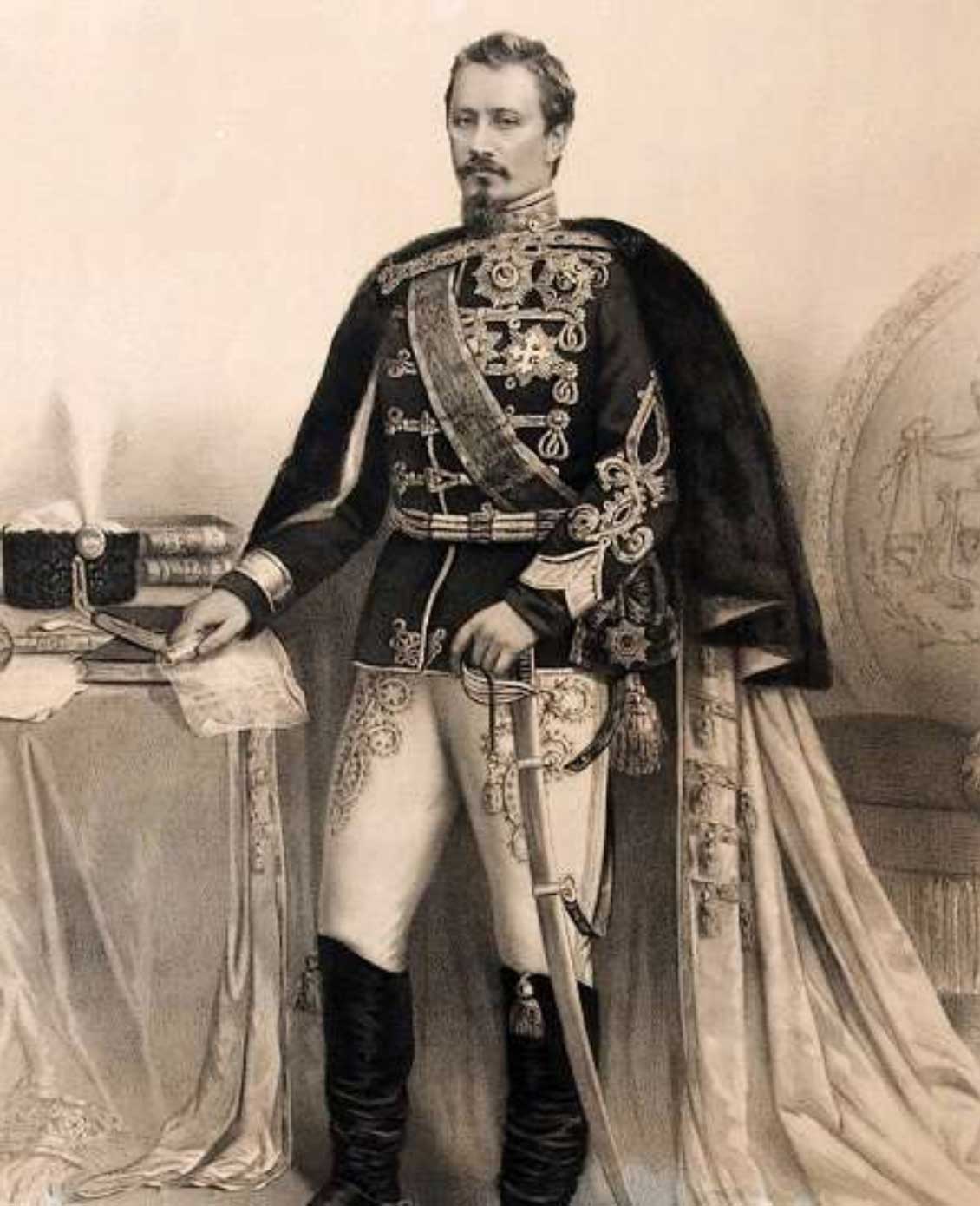
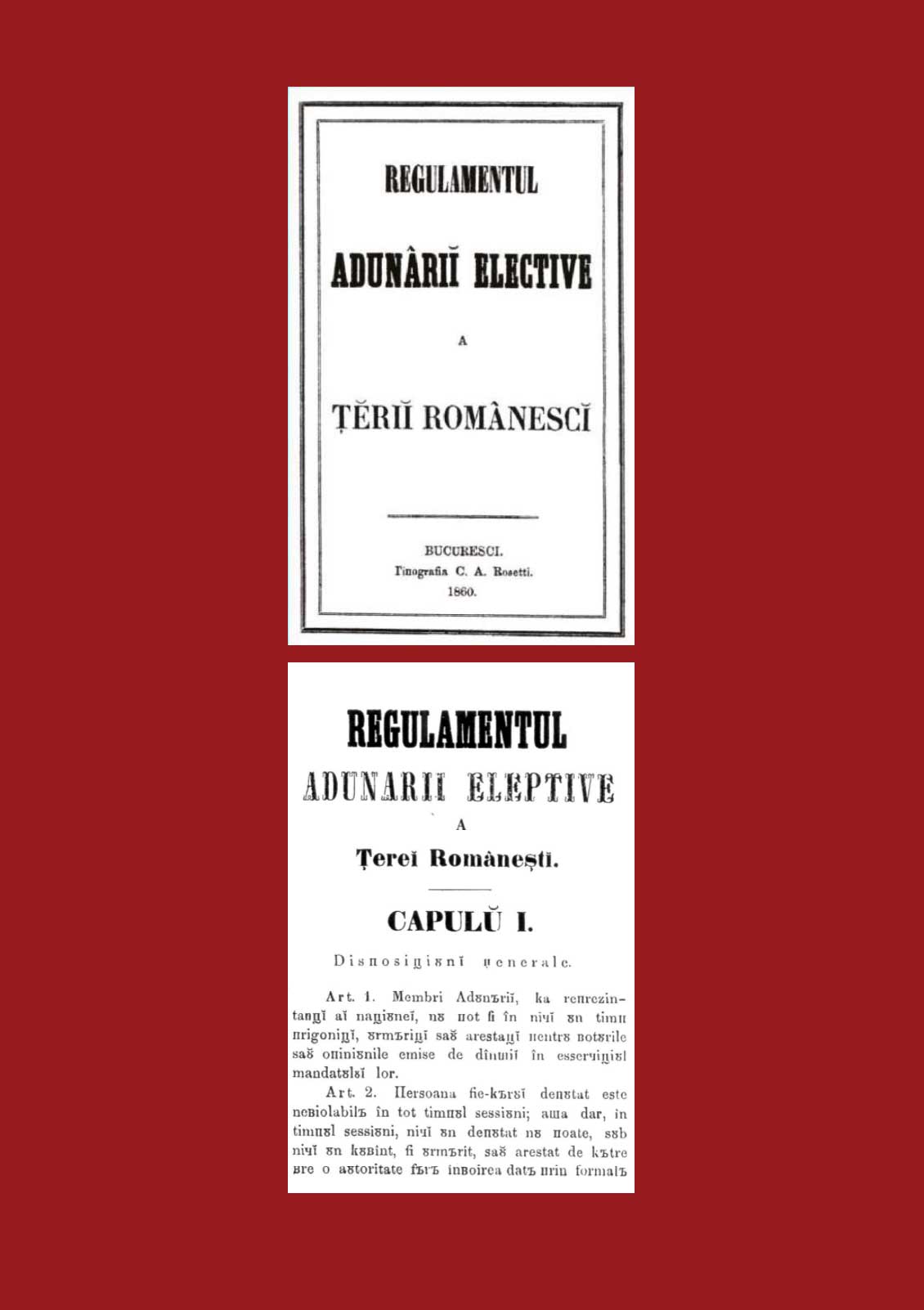
160 years ago, Prince Alexandru Ioan Cuza launched an emancipatory effort, of a representative and legislative nature, through which he took note of the decisions of the Assemblies (Ad-hoc Divans) of the United Principalities of Moldavia and Wallachia and of the Paris Conference (March 30, 1856). The Convention established the socio-political and administrative status of the respective Principalities, as well as the method of electing a modern and representative Elective Assembly.
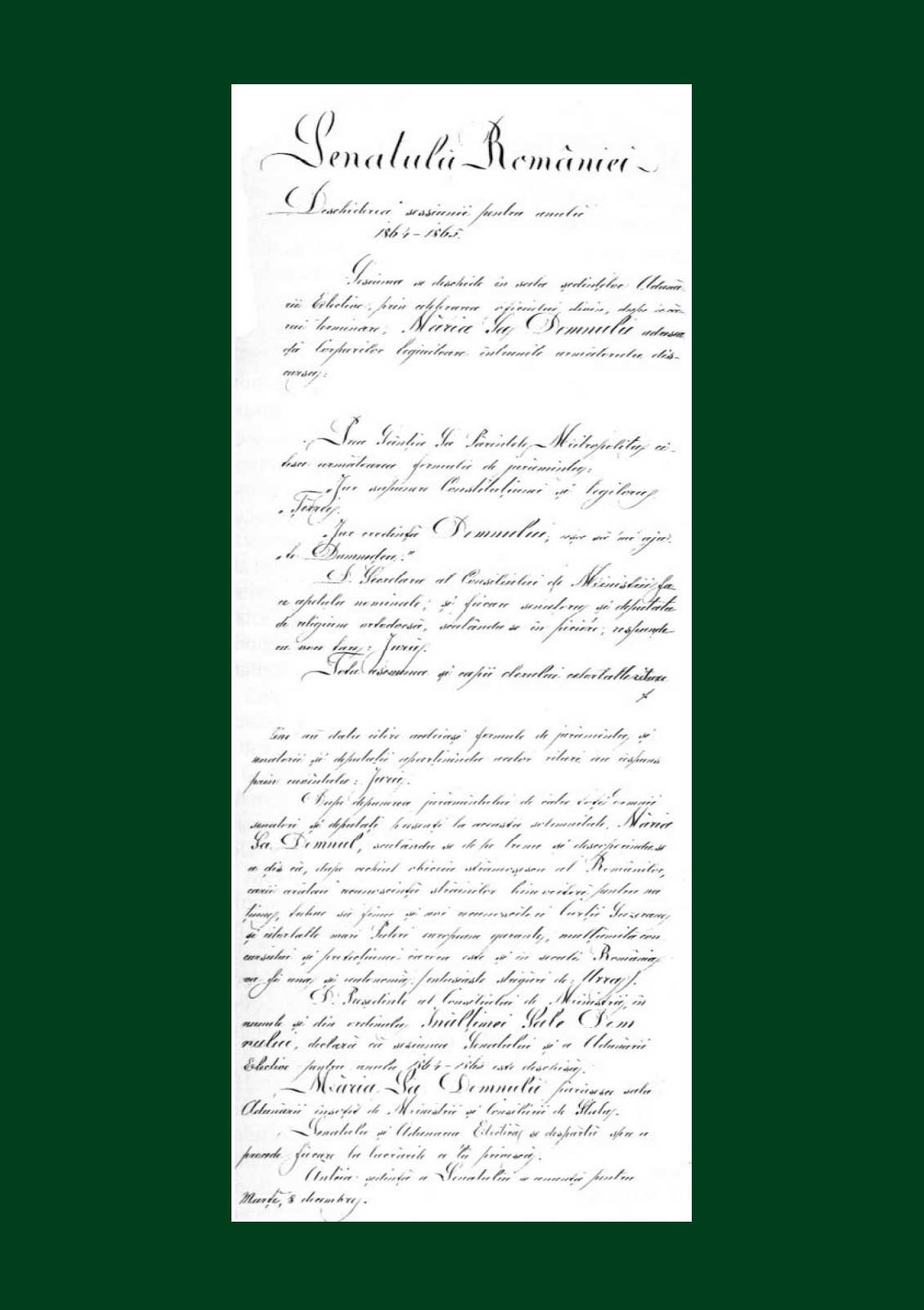
Prince Cuza took the initiative to draft a Draft Constitution (the Developing Statute of the Paris Convention), which was approved by referendum in May 1864 and promulgated on July 2/14 of the same year. The country’s parliament became bicameral. The Elective Assembly (Chamber of Deputies) and the Pondering Chamber (Senate) were established. The Developing Statute remained in force until June 1866, when the first Constitution of Romania was adopted.
Metropolitan Primate Nifon (1789-1875) was the first president of the Senate from 6.12.1864 to 2.06.1868.
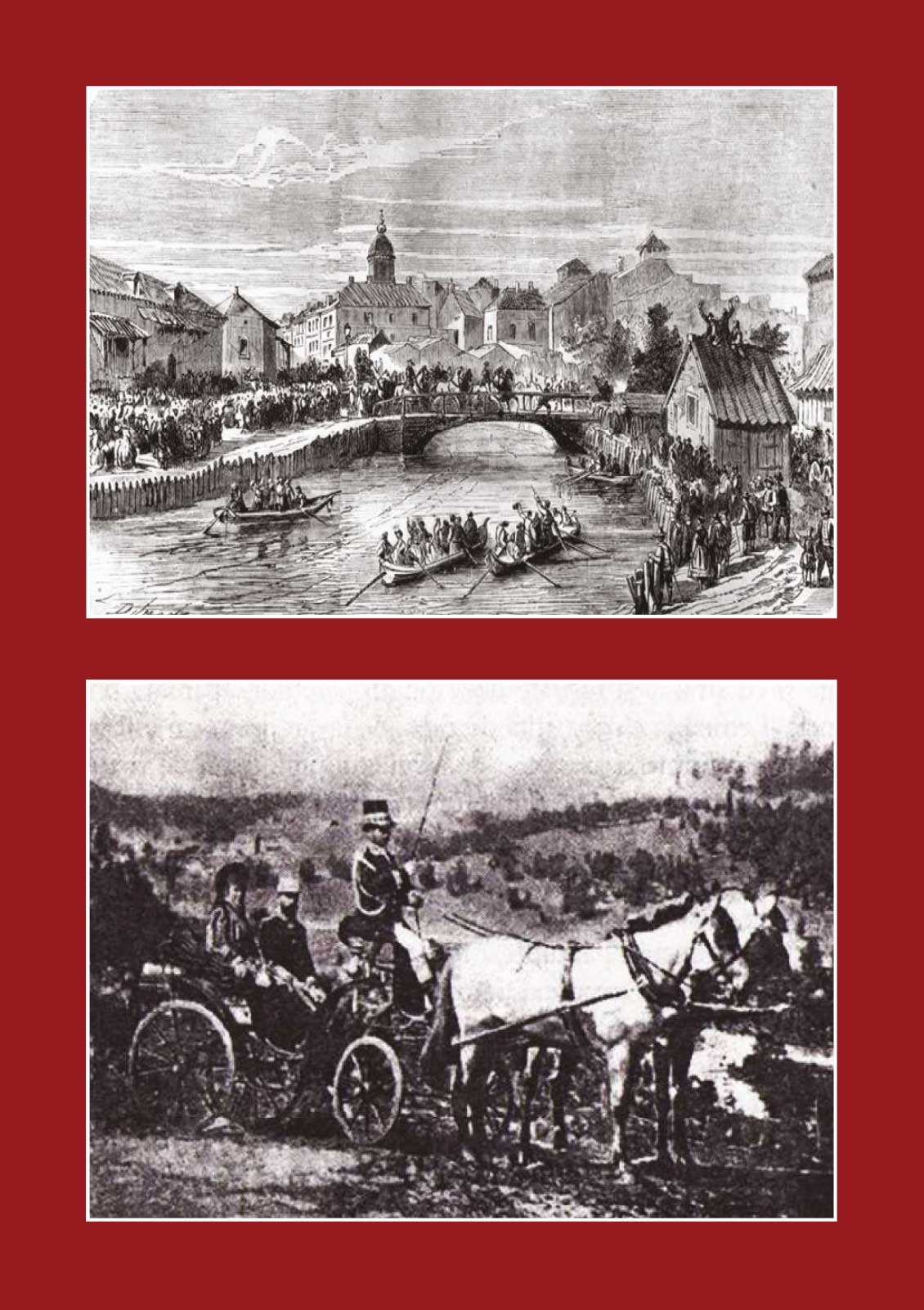
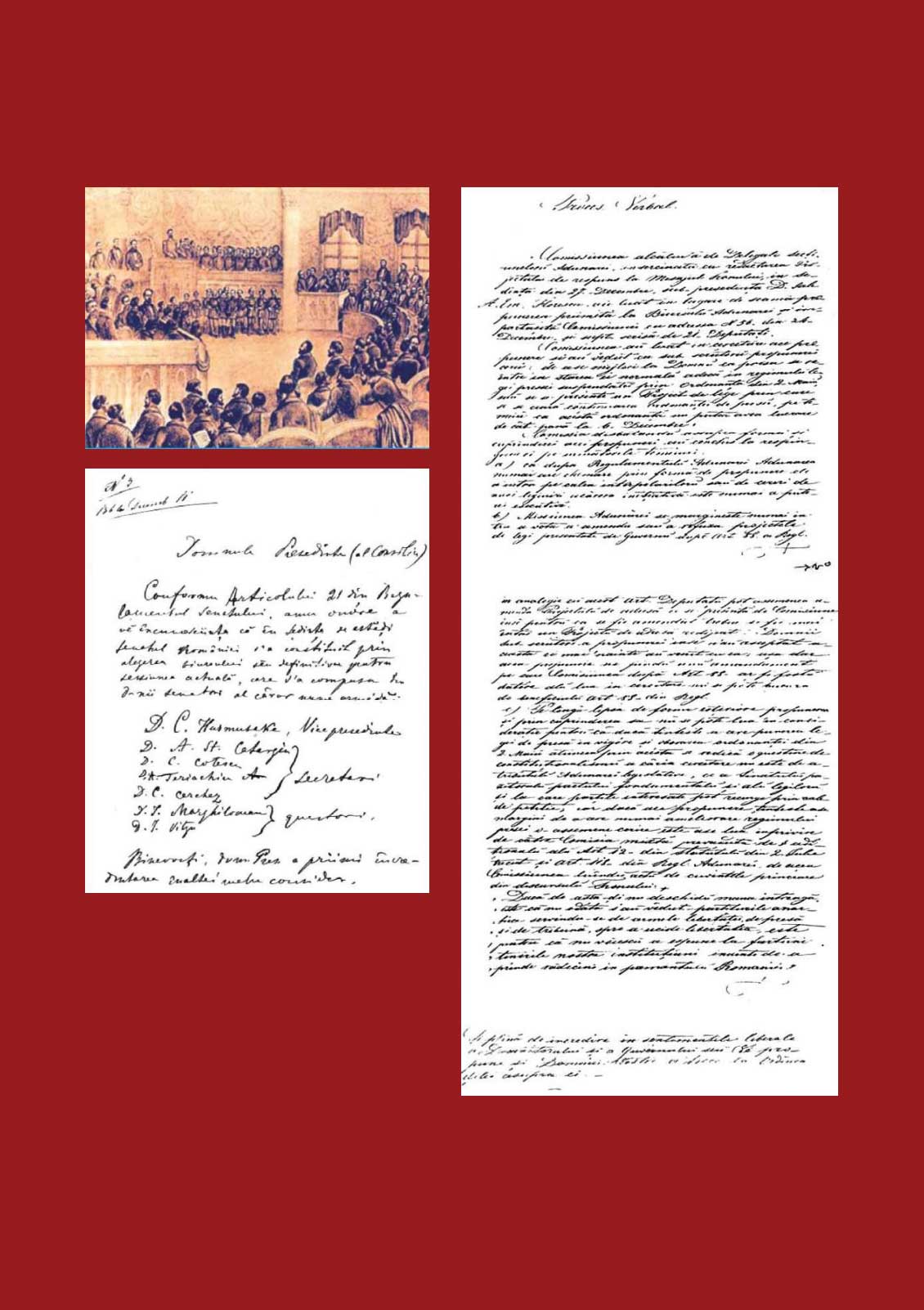
After the abdication of Prince Alexandru Ioan Cuza and the enthronement of Prince Carol I of Hohenzollern-Sigmaringen, the new Constitution established the principle of the direct and legitimate hereditary monarchy of the new ruler, and the powers of the state, emanating from the nation, were exercised “by delegation” according to constitutional principles. Legislative power was exercised collectively by the Prince and the national representation. The latter was organized into two chambers: the Assembly of Representatives and the Senate.
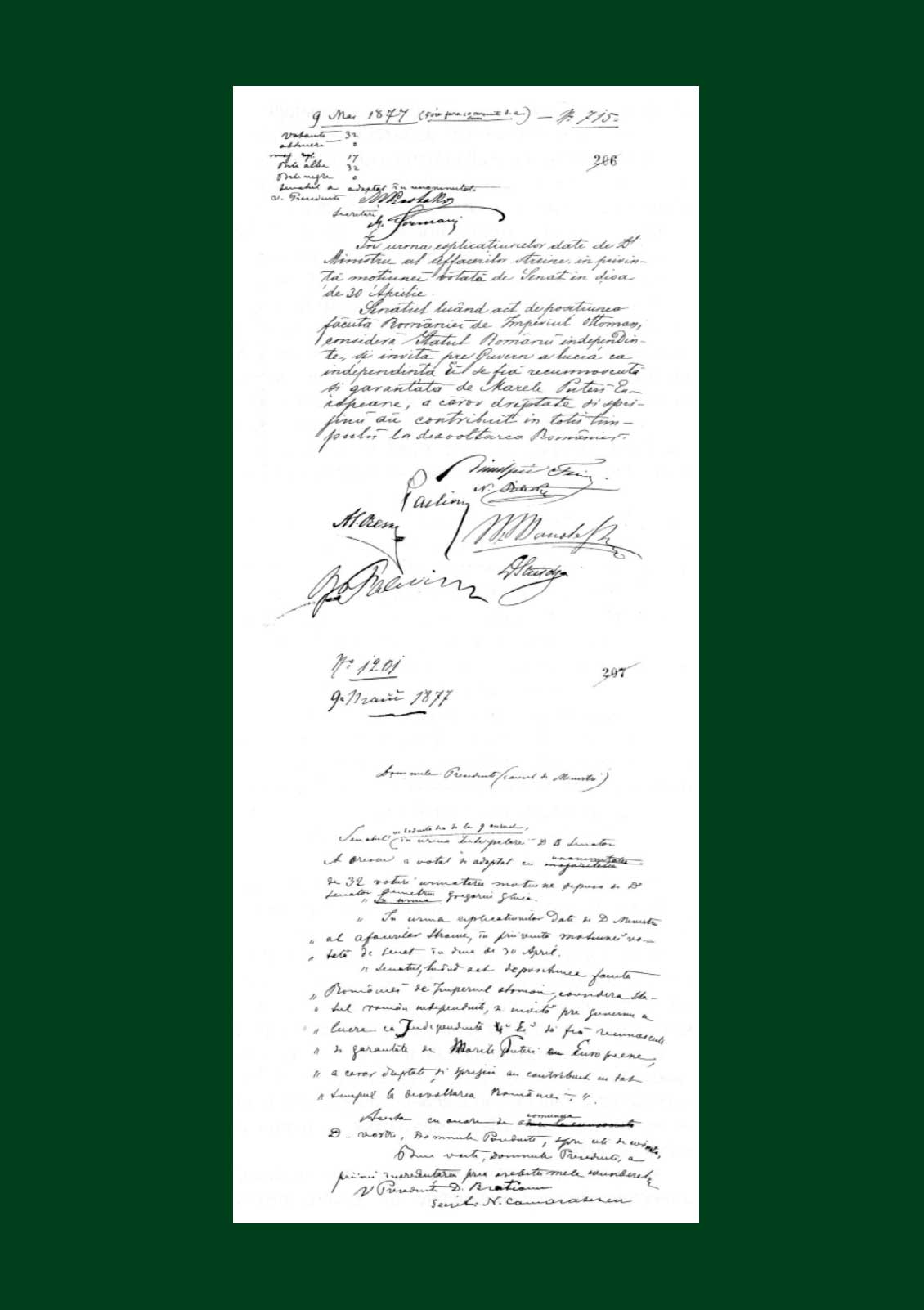
An event of overwhelming historical importance was the conquest of the country’s state independence. On May 9, 1877, Foreign Minister Mihail Kogălniceanu read the Declaration of Independence at the meetings of the two Chambers. At the Senate meeting, Kogălniceanu stated: “We clearly declare that from now on we expect an independent life, an independent life. (……) However, we understand to put all our efforts to ensure that your votes, the voice of the country, are presented to Europe on the day when it will take care of signing the treaty.
At the conclusion of the peace treaty, Romania will find itself before Europe with a situation created by itself.” The motion submitted for approval met the unanimity of the 32 members. With this, the highest legislative body of the country definitively consecrated the act of independence, instructing the Government to do everything so that the independence is recognized and guaranteed by the Great Powers.
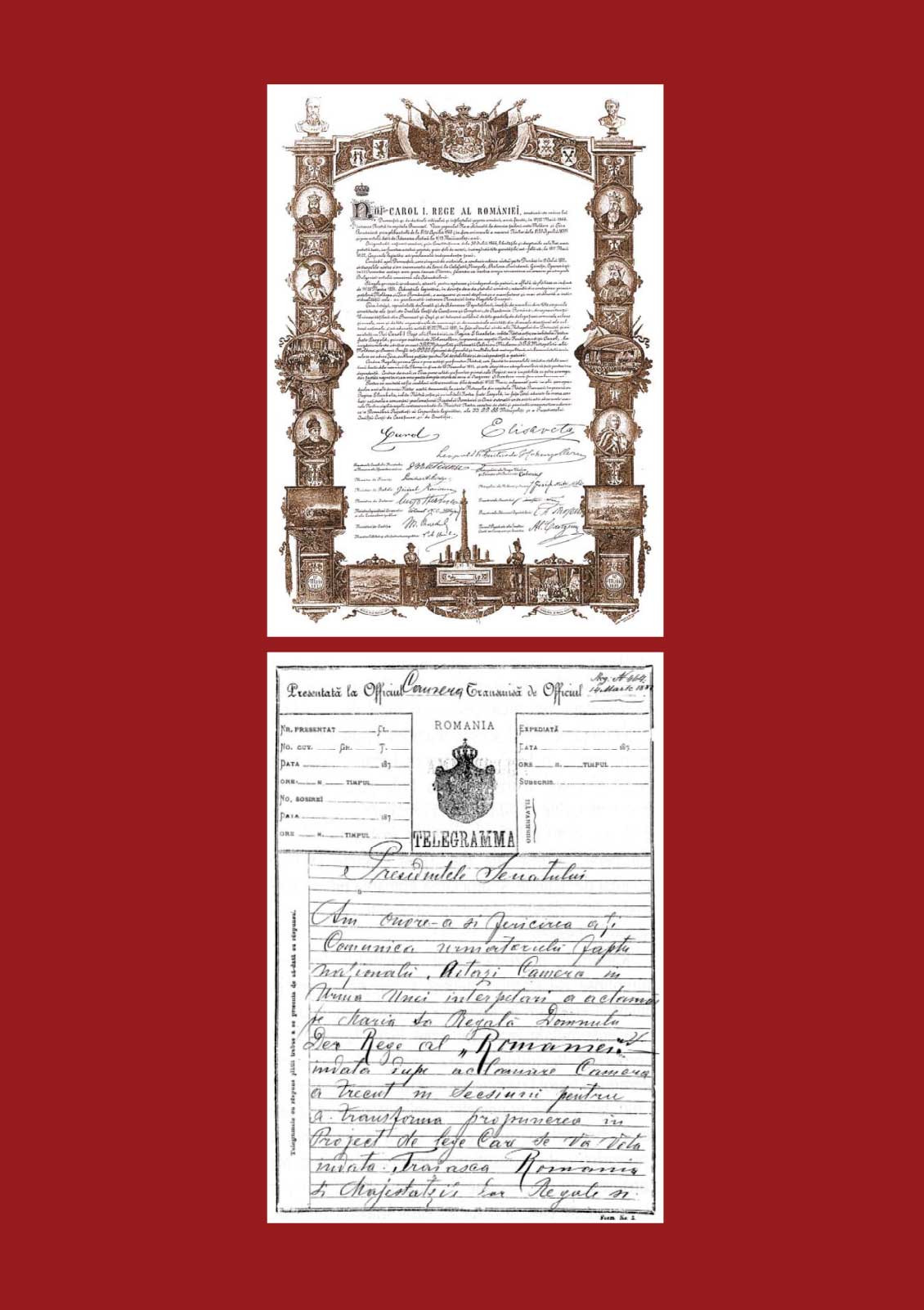
The Romanian Senate, after the international recognition of state independence, played a decisive role in the proclamation of the Kingdom of Romania, under the scepter of King Carol I, on March 14, 1881.
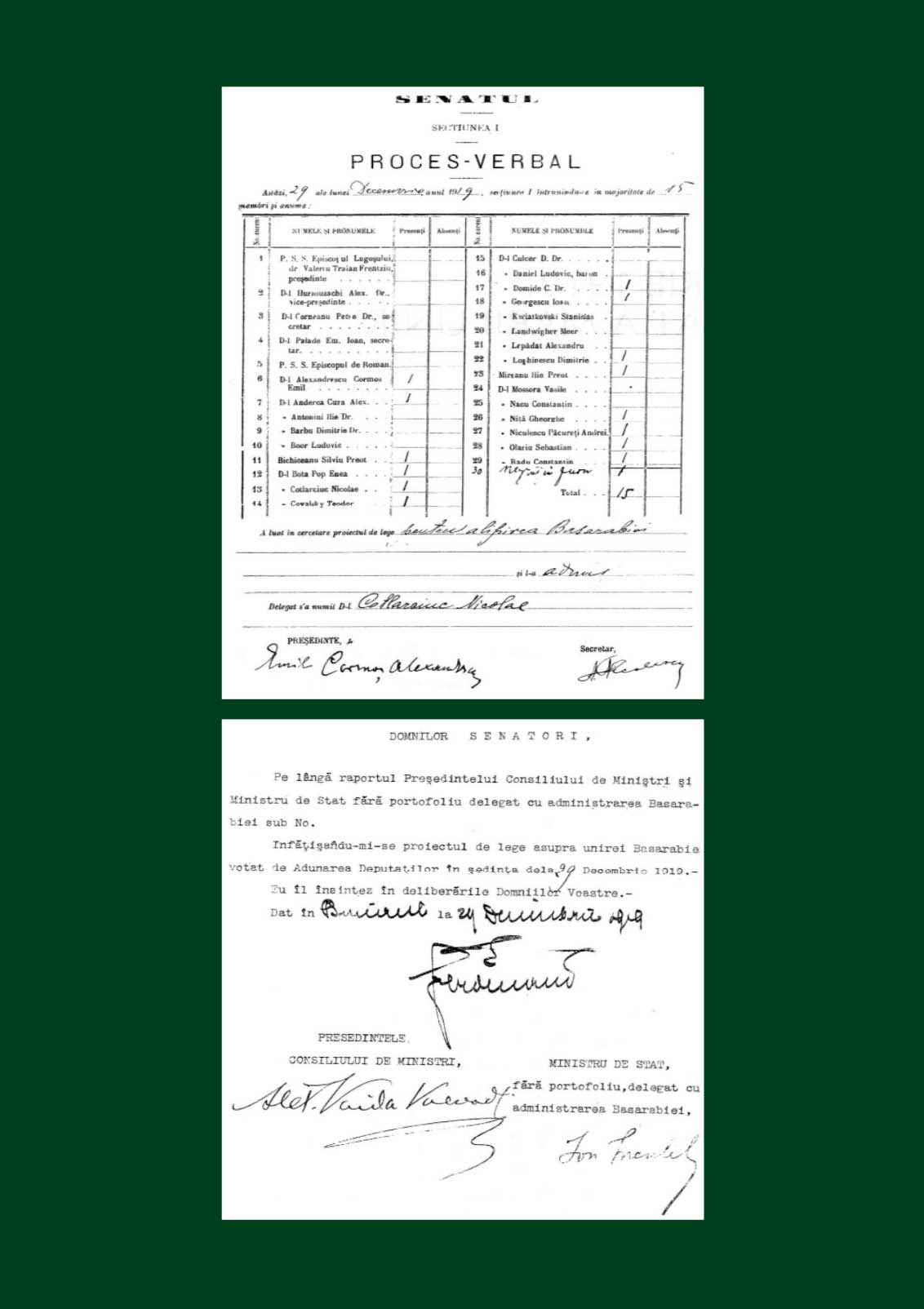
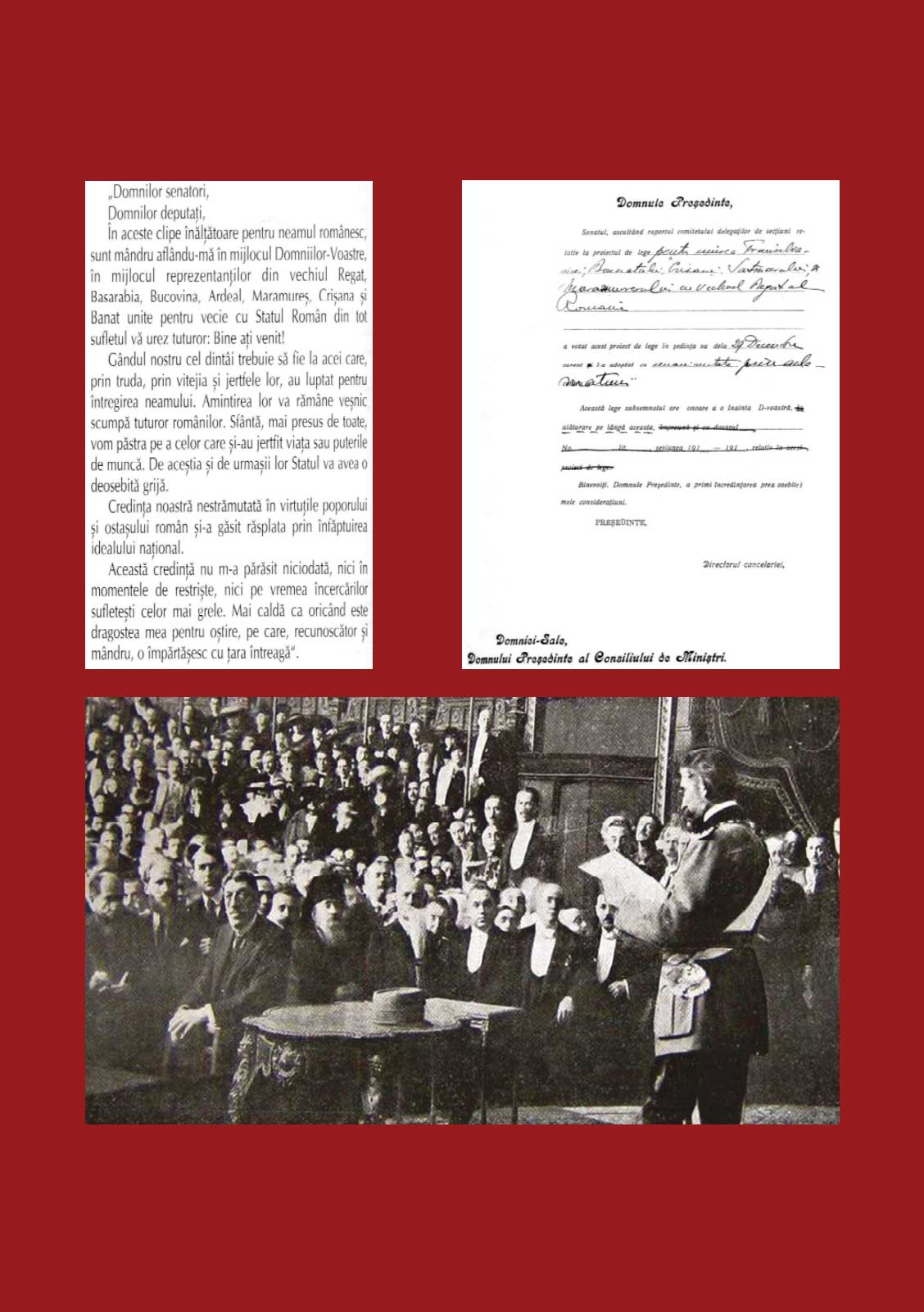
The Romanian Senate has taken pride of place in its institutional and legislative contribution to the accomplishment and constitutional consecration of the Great Union of December 1, 1918. Through the official documents adopted with full unity of historical vision and energetic political action, other steps taken at the national and international level were given coherence and high responsibility.
The culminating moment of this course of events was the coronation of King Ferdinand I and Queen Maria as sovereigns of a reunited Romania during the festivities in Alba Iulia in 1922.
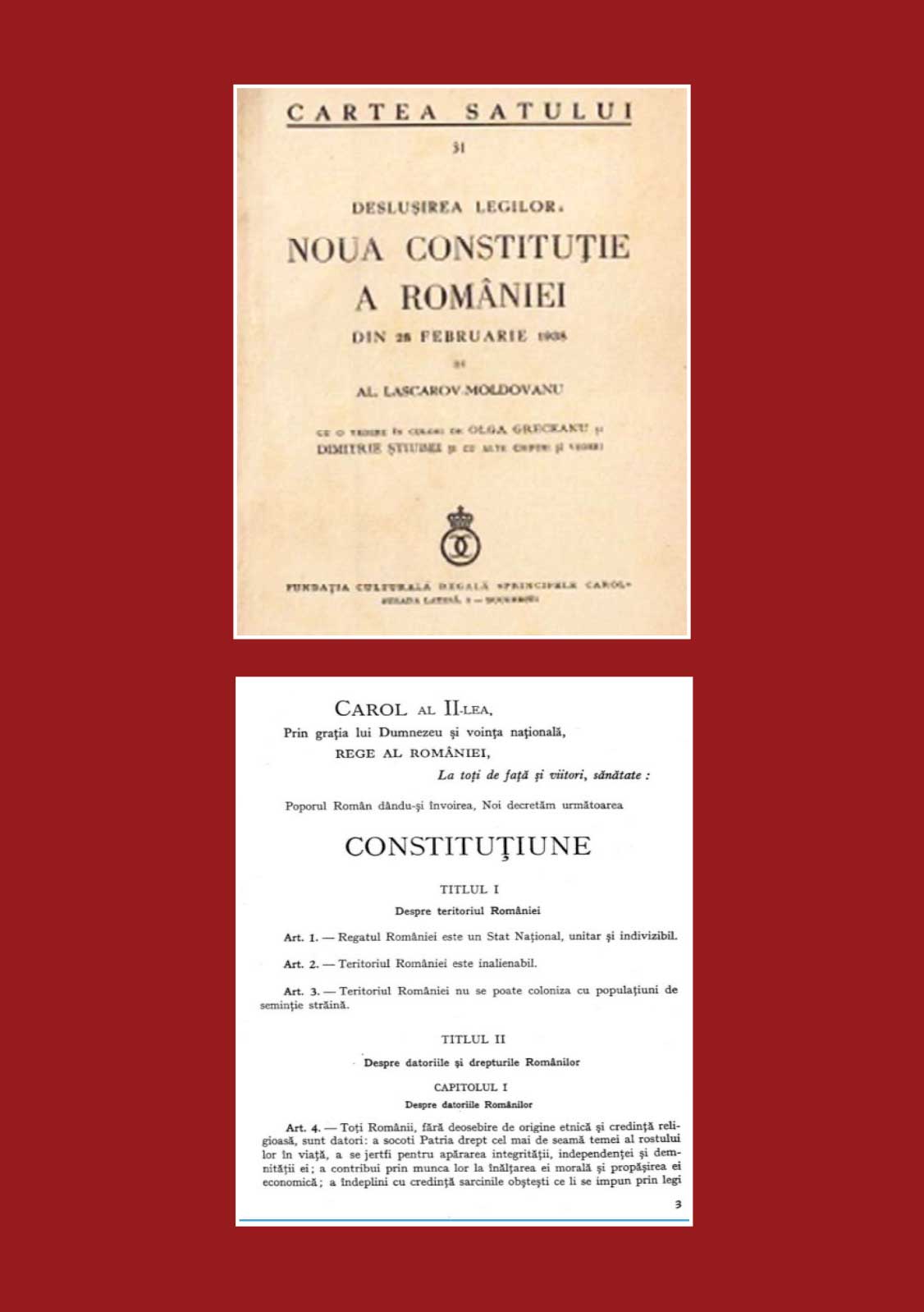
On February 28, 1938, a new Constitution was adopted, which institutionalized the regime of monarchical authority. Senators were appointed by the king and had to “meet the general conditions of obligation for this body”. In accordance with the constitutional provisions, the National Revival Front was established, a single party, led by the king, which proposed single lists.
The Constitution stipulated that any political activity other than that of the National Renaissance Front was considered clandestine. The lists of candidates were approved by the king, after the elections, the new parliamentarians were obliged to swear allegiance to the sovereign. The leaders of political parties who refused to recognize the Constitution were deprived of their status as senators by law.